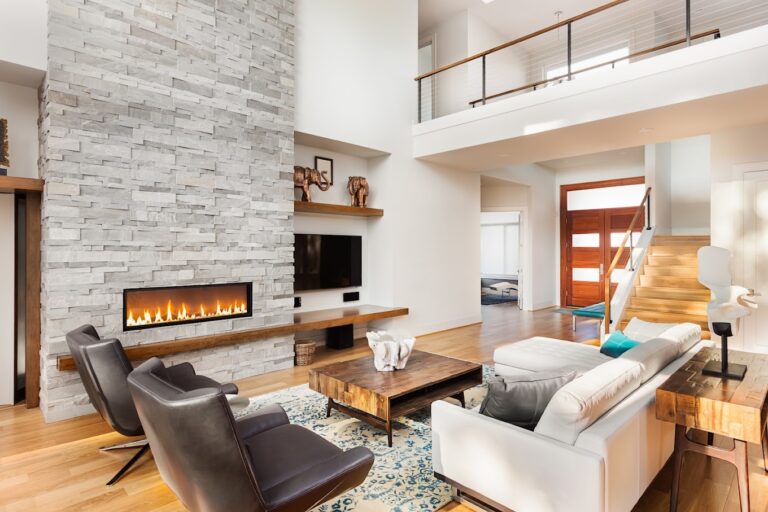
Modern homeowners continue to gravitate toward open-concept living—and for good reason. Removing walls, improving sightlines, and creating bright, unified spaces can completely transform how a home looks, feels, and functions. Whether you’re planning a full home remodel or simply want a more connected kitchen and living area, open concept design offers flexibility, comfort, and long-term value.
As San Diego’s trusted remodeling experts, Optimal Home Remodeling has helped countless homeowners upgrade closed-off floor plans into stunning, functional open spaces. Below, you’ll find the most effective ideas, layout strategies, and professional considerations to guide your project.
What an Open Concept Really Means Today
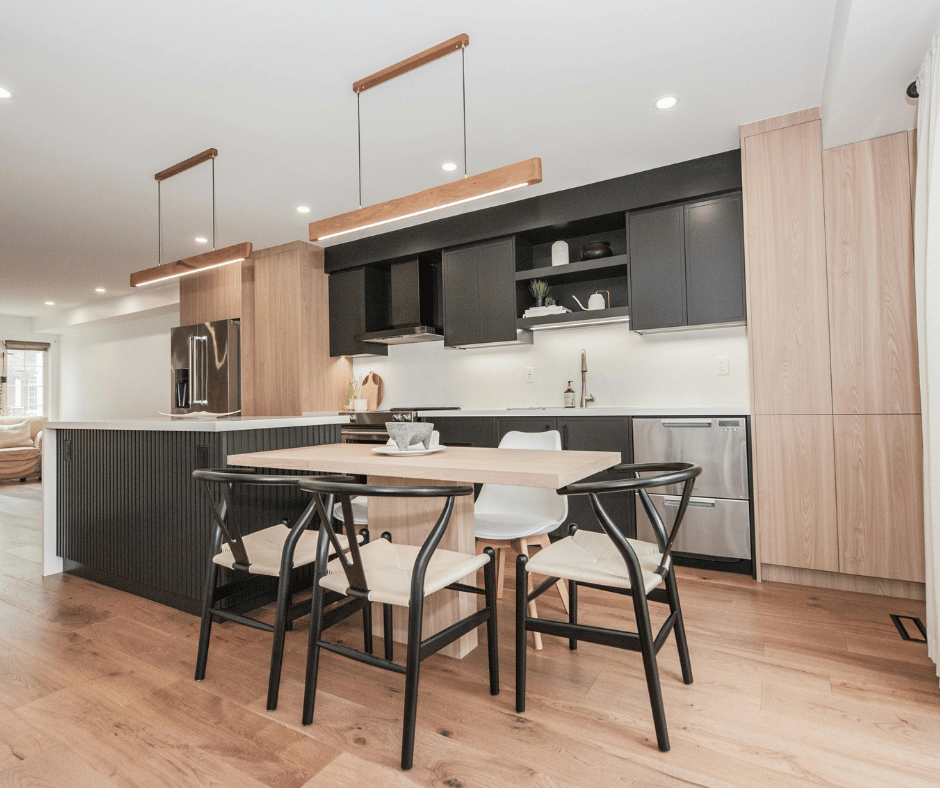
Open concept design is more than just removing a wall—it’s about creating space that feels cohesive, functional, and intentionally designed. It focuses on unifying the home so movement feels natural and every area works together rather than in isolation.
The result is a layout that supports modern living by maximizing light, improving flow, and creating a more comfortable, connected environment.
How Modern Families Use Open Floor Plans
Open layouts allow people to cook, entertain, supervise kids, work, and relax all in one interconnected space. Today’s open floor plans often combine three major zones:
-
Dining area
-
Living room
This configuration supports everyday life by making movement easier and encouraging social interaction.
Why San Diego Homes Are Perfect for Open Concepts
San Diego homes—especially older properties—often include small, partitioned rooms that don’t take advantage of natural light or outdoor views. Opening up the layout:
-
Brightens the home
-
Improves airflow
-
Enhances connection to outdoor living spaces
-
Makes smaller homes feel significantly larger
For coastal or canyon-view homes, open layouts also maximize visibility and sightlines.
Core Principles Behind an Effective Open Floor Plan
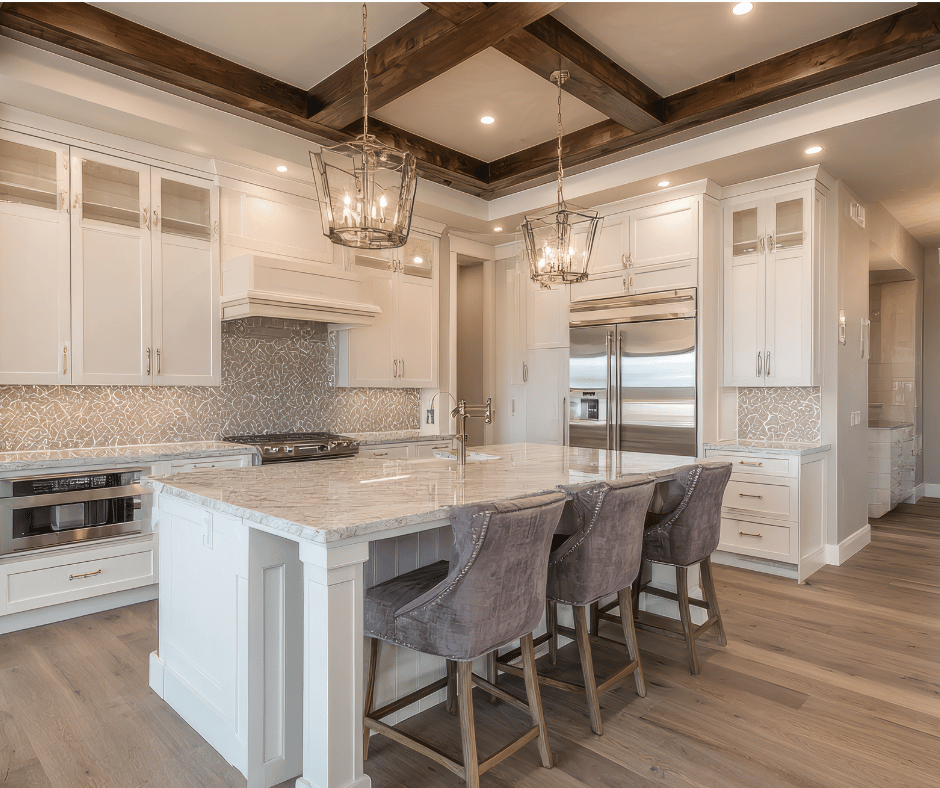
Open concept design works best when spaces feel connected yet still have individual purpose. A well-planned layout ensures each area flows naturally while maintaining visual boundaries through lighting, furniture placement, or subtle architectural details. The goal is to create harmony across the home so it feels open and spacious, but still organized and functional for everyday living.
Creating Natural Flow Between Spaces
Your layout should guide movement organically—from cooking to dining to relaxing. Professional designers often focus on:
-
Logical traffic patterns
-
Comfortable clearance between zones
-
Balanced sightlines so no area feels isolated
Defining Spaces Without Walls
Even in an open space, subtle boundaries create order. This can be done through:
-
Furniture arrangement
-
Changes in flooring material or pattern
-
Lighting tone differences
-
Ceiling details such as beams or soffits
These subtle cues maintain structure without closing off the room.
Key Benefits of Open Concept Remodeling
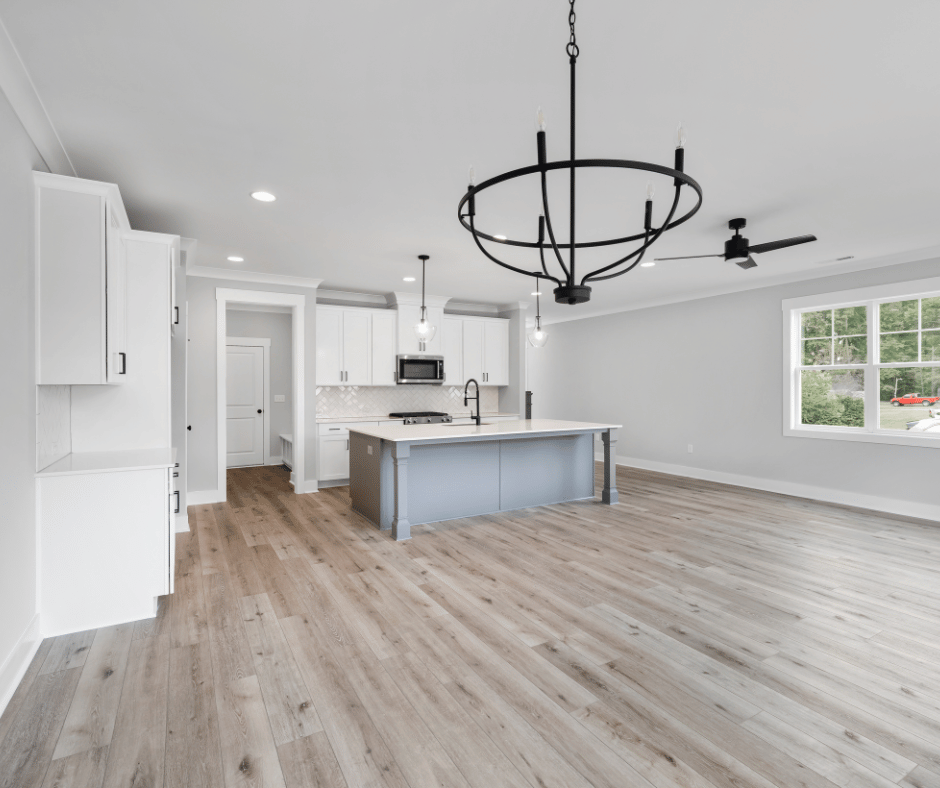
Open layouts offer immediate visual and functional advantages, making the home feel brighter, larger, and more welcoming. With fewer walls, natural light can travel farther, creating an airy, open atmosphere. The improved flow also makes daily routines and entertaining easier, allowing family members and guests to interact without feeling separated.
A Brighter Home With Better Sightlines
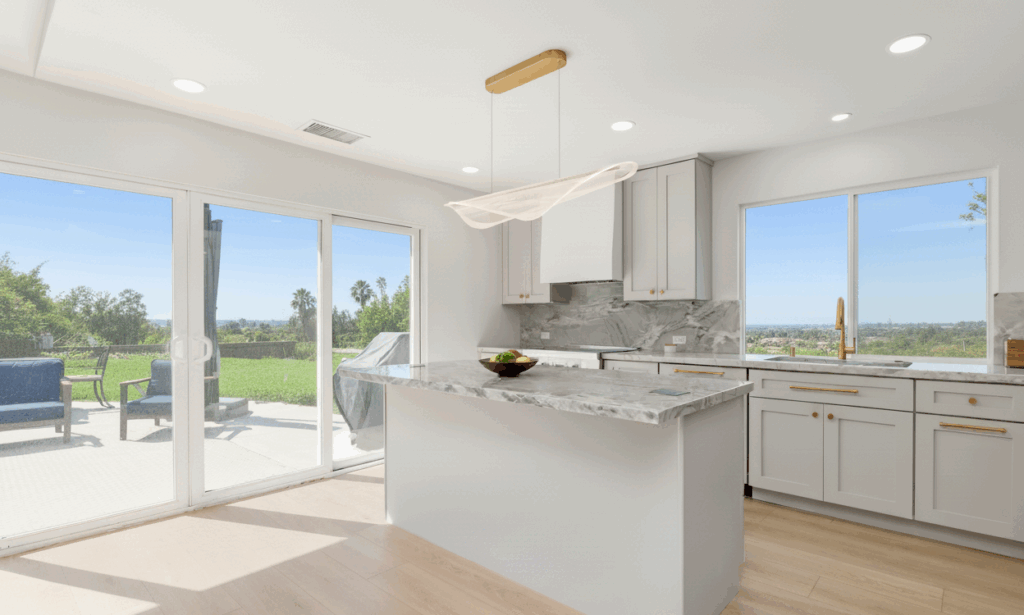
Fewer walls mean natural light travels farther. Large windows, sliding doors, and open views create an uplifting, spacious environment—especially valuable in homes built before the 1980s.
Improved Hosting and Family Interaction
Open concepts create a gathering-friendly atmosphere, where people naturally congregate around the kitchen island or dining table. Hosts can prepare food while engaging with guests or supervising kids.
Structural Considerations Before Removing Walls
This is where working with professionals becomes essential. Behind every wall are structural elements that support the home, along with electrical, plumbing, or HVAC systems that must be carefully assessed before any demolition. Proper engineering and planning ensure the layout stays safe, stable, and fully compliant with building codes throughout the remodel.
Identifying Load-Bearing Walls
Many interior walls support roof or floor structures. Removing one requires:
-
Structural analysis
-
Engineering plans
-
Reinforcement with beams or posts
This ensures the home’s safety and long-term stability.
Plumbing, Electrical, and HVAC Adjustments
Behind each wall is a network of systems. Opening a layout often means:
-
Relocating plumbing lines
-
Rerouting wiring
-
Extending or modifying ductwork
A remodel may also reveal outdated systems needing upgrades.
How to Maximize Natural Light in an Open Concept Space
Light is one of the defining features of modern homes. With an open layout, sunlight can travel farther and illuminate areas that were previously dark or enclosed. Strategic window placement, reflective surfaces, and thoughtful lighting design all work together to create a bright, welcoming environment that enhances the entire space.
Windows, Doors, and Skylight Enhancements
Homeowners can dramatically brighten an open space by incorporating:
-
Larger windows
-
Sliding or bi-fold glass doors
-
Skylights or solar tubes
-
Clerestory windows
These features expand the open feel while adding architectural interest.
Reflective Surfaces and Glass Elements
Mirrors, glass railings, and glossy finishes help bounce light deeper into the room. White or light-toned walls also keep the space bright and airy.
Designing an Open Concept Kitchen That Anchors the Home
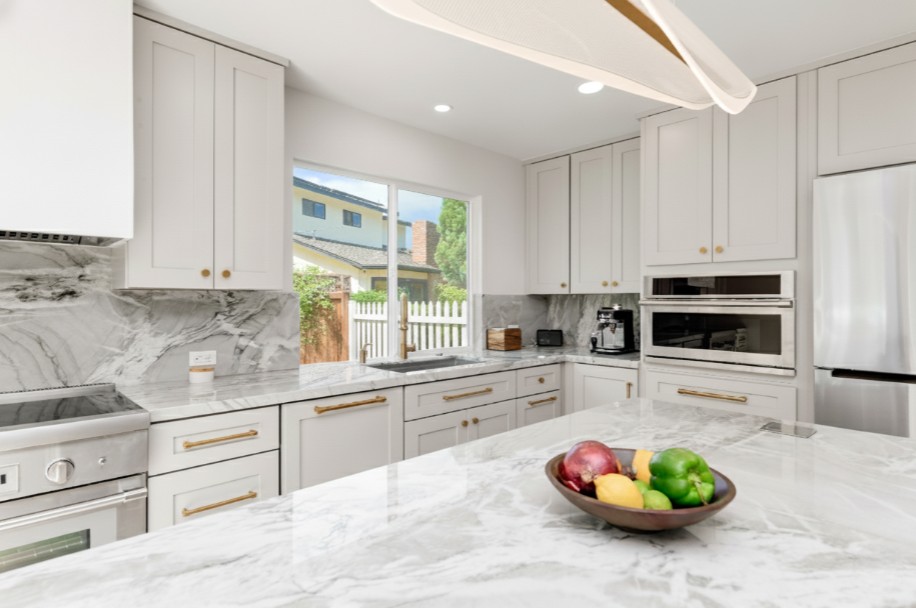
The kitchen is often the center of the open floor plan. Its design sets the tone for the surrounding living and dining areas, making it essential to blend functionality with visual appeal. A thoughtfully planned kitchen becomes a natural gathering place, enhancing both everyday routines and the overall flow of the home.
Islands, Peninsulas, and Multi-Purpose Surfaces
A well-designed island can function as:
-
A dining space
-
A prep station
-
A gathering point
-
Additional storage
Peninsulas work well in smaller layouts that cannot accommodate a full island.
Integrating Appliances Seamlessly
Built-in appliances maintain the clean, uncluttered look that open concepts require. Hidden or flush cabinetry, integrated ventilation, and consistent finishes create visual harmony.
Smart Ways to Separate Zones Without Closing the Space
Open doesn’t have to mean undefined. With the right design elements, you can create clear distinctions between living, dining, and kitchen areas while maintaining an open, airy feel. Subtle visual cues help organize the layout so each zone has purpose without disrupting the overall flow.
Use of Furniture, Rugs, and Lighting
You can distinguish areas simply by adjusting:
-
Sofa placement
-
Dining table orientation
-
Area rug sizing
-
Pendant vs. recessed lighting
Designers often use these tools to anchor each functional zone.
Architectural Features for Partial Separation
If you want subtle division without full walls, consider:
-
Half-walls
-
Decorative columns
-
Overhead beams
-
Frosted or clear glass partitions
These preserve openness while enhancing structure.
Choosing Colors, Materials, and Finishes That Tie the Space Together
Visual consistency makes open concepts feel intentional. Because all areas are visible at once, choosing a cohesive palette and complementary materials helps the space feel balanced rather than chaotic. The right combination of colors, textures, and finishes creates harmony across the room while still allowing each zone to express its own personality.
Neutral Base and Complementary Accents
A cohesive palette ensures every zone feels connected. Popular choices include:
-
Warm whites
-
Soft grays
-
Light tan or sand tones
-
Natural wood finishes
Accent colors can differentiate zones while keeping unity.
Textures and Material Pairings
Combining wood, stone, and fabric textures prevents the open space from feeling too uniform. The right blend adds warmth and sophistication.
Open Concept Ideas for Smaller Homes and ADUs
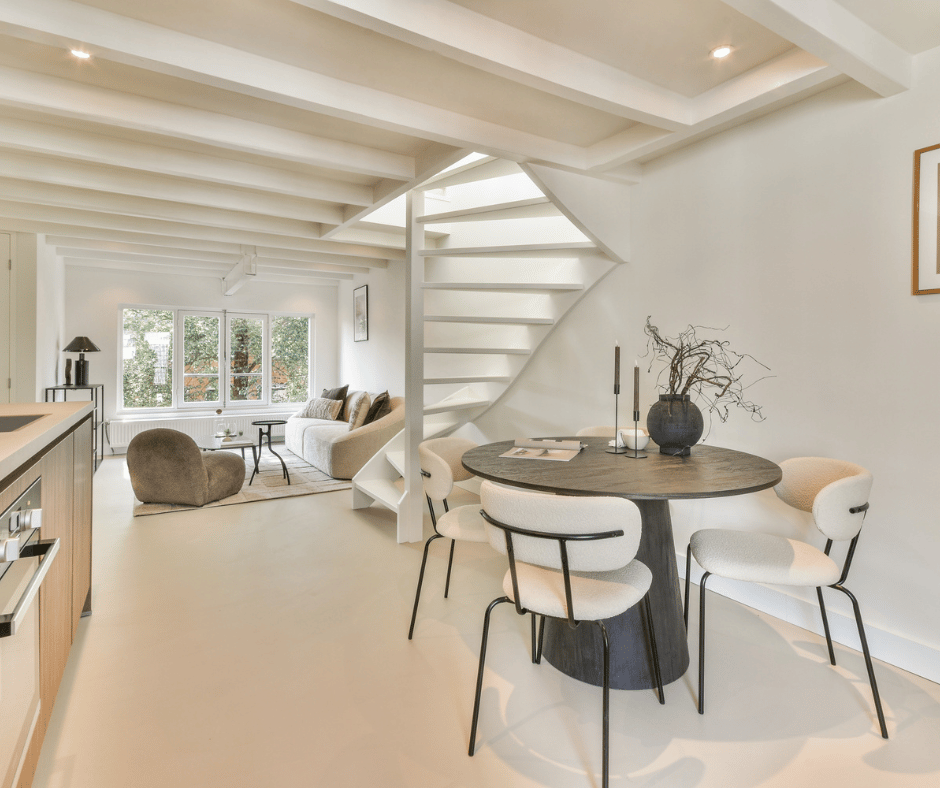
Even compact spaces, small homes and ADU’s benefit from open layouts. Removing interior walls can make small homes feel significantly larger by maximizing every square foot and improving natural light flow. With smart storage solutions and efficient furniture placement, even tight floor plans can achieve an open, modern feel without sacrificing functionality.
Effective Layouts for Condos and Small Homes
Removing just one wall—often the kitchen wall—can completely transform a small home. Vertical storage, built-in solutions, and smart lighting help preserve openness.
Storage Solutions to Keep Clutter Controlled
Because open layouts expose more of the home, smart storage is critical:
-
Tall cabinets
-
Hidden pantry walls
-
Built-in seating with storage
-
Under-stair shelving
A clean space feels larger.
Expanding the Concept: Connecting Indoor and Outdoor Living
San Diego’s climate makes indoor–outdoor merging particularly desirable. By opening up the back wall of the home or adding large sliding doors, you can extend your living space and create a seamless transition between interior comfort and outdoor relaxation. This design approach enhances natural light, improves airflow, and makes the home feel larger and more connected to its surroundings.
Living Room + Dining Room Extensions
Open layouts often continue outward with:
-
Large sliding doors
-
Covered patios
-
Outdoor kitchens
This significantly expands usable space.
Creating Outdoor Continuity
Matching flooring styles or colors from interior to exterior creates a seamless transition.
Budget and Timeline Expectations
Open concept remodels vary greatly based on structural needs. Costs can shift depending on whether load-bearing walls must be removed, mechanical systems need relocation, or new finishes are installed throughout the space. Understanding these factors upfront helps homeowners set realistic expectations and plan for a smooth, well-managed project from start to finish.
Factors That Influence Cost
Common cost drivers include:
-
Structural beam installation
-
Relocating major mechanical components
-
Flooring replacement across the entire space
-
Custom cabinetry or high-end finishes
Typical Project Timelines
A professional open concept remodel generally takes:
-
6–10 weeks for non-structural changes
-
10–16+ weeks for major structural work
Permitting and engineering add additional time depending on the city.
Why Work With a Professional for an Open Concept Remodel
Open concept projects require expertise—not just demolition. Safely removing walls and reconfiguring structural elements demands proper engineering, permitting, and hands-on experience. A professional ensures the work is done correctly, avoids costly mistakes, and delivers a finished space that is both beautiful and structurally sound.
Permits, Engineering, and Safety Requirements
Professional teams ensure:
-
Proper structural support
-
Code compliance
-
Safe electrical and plumbing relocation
This protects both your investment and your home.
Avoiding Common Remodeling Mistakes
DIY demolition can result in:
-
Compromised structural integrity
-
Hidden system damage
-
Higher repair costs later
-
Failed inspections
A licensed team prevents these issues from the start.
What Makes Optimal Home Remodeling Different
San Diego homeowners rely on Optimal for their combination of expertise, service, and craftsmanship.
Dedicated Project Manager From Day One
Every project includes a committed project manager who oversees:
-
Budget adherence
-
Timeline tracking
-
Communication
-
Coordination with designers, engineers, and trades
This ensures efficiency, clarity, and peace of mind.
High-End Craftsmanship and a Transparent Process
Optimal Home Remodeling is known for:
-
Realistic expectations
-
Integrity and professionalism
-
Respect for your vision and budget
-
Superior workmanship with attention to detail
Their reputation and portfolio reflect consistent excellence.
Our Streamlined Open Concept Remodeling Process
At Optimal Home Remodeling, your project follows a proven, structured workflow.
In-Home Consultation and Assessment
Your project manager evaluates:
-
Existing layout
-
Structural considerations
-
Desired functionality
-
Budget and timeline
You’ll receive a clear, accurate estimate based on real-world experience.
Design, Engineering, and Permitting
Optimal’s team manages:
-
Architectural drawings
-
Interior design coordination
-
Structural engineering
-
Permit applications
This ensures the project runs smoothly from concept to approval.
Efficient Construction and Finishing
Throughout construction, your project manager monitors progress, quality, and scheduling. The goal is to complete your remodel efficiently while minimizing disruption.
Ready to Transform Your Home?
If you’re considering an open concept remodel, Optimal Home Remodeling in San Diego is ready to guide you. With a dedicated project manager, experienced craftsmen, and a commitment to integrity and quality, we ensure your home reaches its peak potential.
Schedule your free consultation today and start designing the open, modern home you’ve always wanted.