Why are kids’ bathrooms different than adults’ bathrooms?
Children aren’t just shorter adults. Their balance, reach, and decision-making skills develop rapidly between ages 2 and 12. A well-planned bathroom renovation designed for kids‘ use respects these changes by scaling fixtures to suit today’s needs while remaining adaptable for tomorrow. According to NKBA anthropometry tables, the average eye-level height of a six-year-old is roughly 40 in (102 cm), meaning mirrors and towel hooks positioned near 38–42 in promote independence without the need for stepping stools.
Ergonomic Height Ranges (2–12 yrs)
| Age | Suggested Vanity Height | Faucet Handle Reach | Mirror Center |
|---|---|---|---|
| 2–4 | 24 – 26 in (61–66 cm) | 18 in | 30 in |
| 5–8 | 27 – 30 in (69–76 cm) | 20 in | 34 in |
| 9–12 | 30 – 32 in (76–81 cm) | 24 in | 38 in |
Tip: A 30-inch vanity topped with a 2-inch stone counter lands at 32 inches finished height—just inside NKBA’s comfort zone for most grade-schoolers while remaining serviceable to adults on a pull-out step.
Optimal Bathroom Layout & Flow
Open floor space isn’t just about aesthetics—it’s about function and flexibility. When you’re wrangling toddlers or guiding multiple siblings through nightly routines, those extra few feet can make the difference between chaos and comfort. The National Kitchen & Bath Association (NKBA) recommends leaving a 5-foot diameter turning circle in the center of the bathroom to allow easy maneuvering. This isn’t only for today’s needs—such as helping kids brush their teeth at the same time—but also a smart way to future-proof the space for mobility aids like walkers or wheelchairs down the road.
In addition, providing at least 4 feet of clear floor space in front of the toilet and vanity makes everyday tasks smoother. Parents will appreciate the room to kneel or stand beside a child, while older adults or guests with mobility challenges benefit from the unobstructed access. These guidelines balance current family dynamics with long-term accessibility, ensuring the bathroom works for every stage of life.
Zoning Wet vs. Dry Areas
Another key to bathroom functionality is zoning wet vs. dry areas. Proper layout prevents water from spreading into places where it doesn’t belong. A great way to achieve this is to position the tub or shower behind a half-wall or glass panel, which keeps splash zones contained and makes cleaning easier.
For bathrooms with compact footprints, a curbless shower pan with a linear drain is a smart solution. Not only does it minimize tripping hazards—especially important for children, older adults, and anyone with mobility challenges—but it also channels water directly away from the entrance, ensuring the bathroom floor stays safer and drier.
At Optimal Home Remodeling & Design, we use these zoning strategies to deliver bathrooms that are both stylish and practical, balancing everyday comfort with long-term accessibility.
Safe & Accessible Bathroom Fixtures
Lower Vanity & Sink Configuration for Bathroom Renovation to Fit Kids’ Use
The standard adult vanity sits around 34 – 36 in. Dropping to 30 – 32 in or installing a floating unit that can be remounted higher later reduces step-stool reliance and bathroom clutter. GVD Renovations notes that even adult “comfort-height” vanities are trending lower in shared family spaces to meet universal-design goals. gvdrenovationsinc.comdriftwood
Pro-Hack: Mount an under-counter pull-out step (wood slat or metal tread) on 100-lb slides. The child steps up, washes hands, then shoves it back flush—no loose stool to trip over. Hideaway Solutions’ STEP 180 cabinet step is a ready-made example. hideawaysolutions.com
Integrated Step-Stool Cabinetry
Built-in stools can be:
- Drawer-based: Reinforce the bottom panel with plywood; add spring latches for one-hand open/close.
- Kick-plate flip-outs: The toekick hinges down to reveal a platform, saving drawer capacity above.
- Retractable slide-outs: Commercial units rated to 300 lb; lock when fully extended to prevent wobble.
Safety check: Apply anti-slip tape and round over all exposed edges to reduce shin knocks. The Parents Magazine testing crew ranked wide, 9-in-deep treads with grippy rubber as the most stable for users under 50 lb. parents.com
Accessible Shampoo & Soap Niches
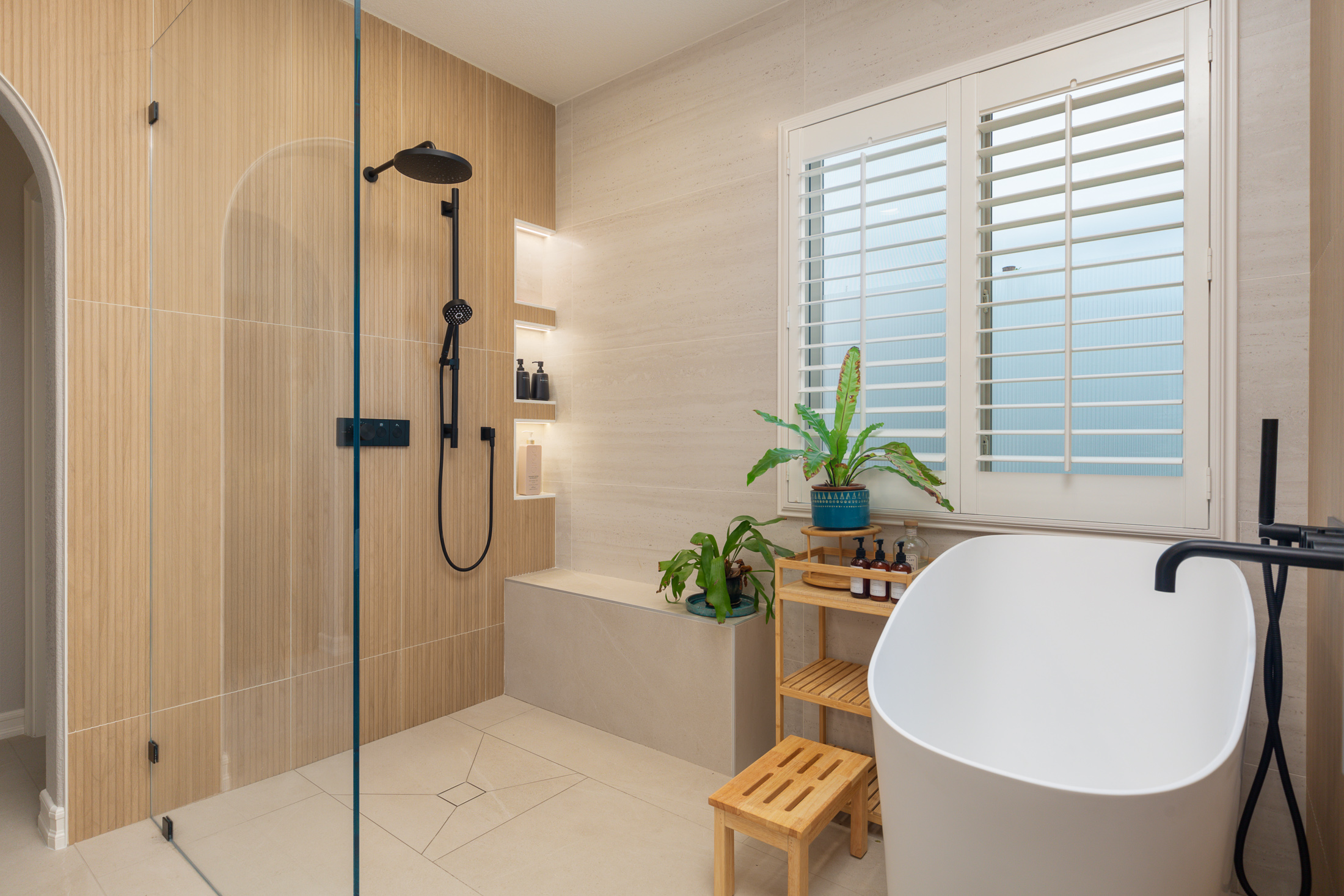
Mount the first shower-niche shelf 18 in above finished floor when the tub is in place; bump to 24 in for stand-alone showers kids will use at age 8+. Standard niche cavities measuring 12 × 24 × 4 in fit pump bottles while keeping lids visible at eye level.
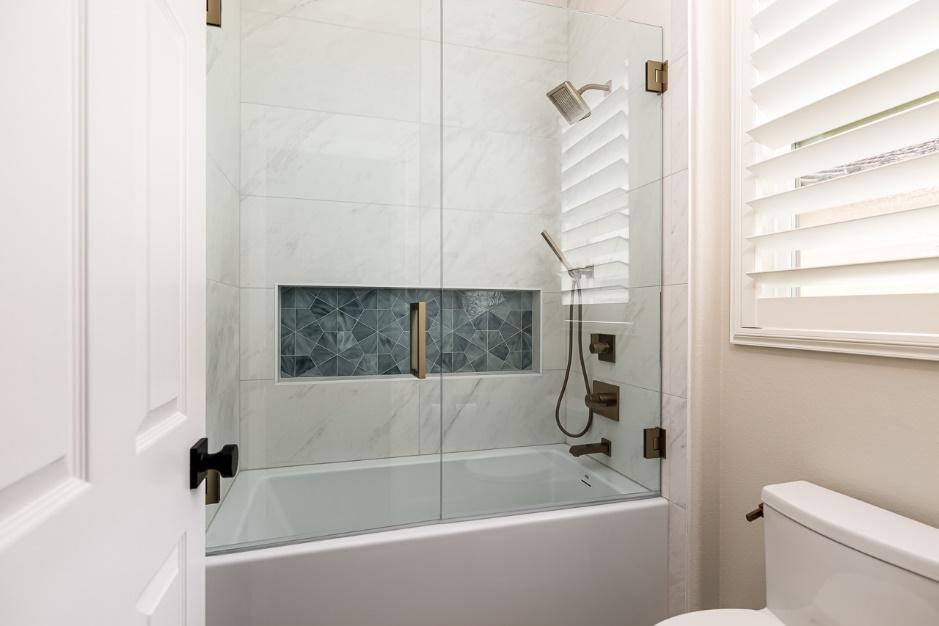
Line niche base with textured tile or silicone matting to stop slippery bottles from sliding onto tiny toes.
Storage Solutions for Little Hands
Soft-close hardware prevents finger pinches, while shallow 12-in-deep drawers mean children don’t need to excavate clutter at the back.
- Color-coded bins (e.g., blue = bath toys, green = hair care) foster responsibility.
- Magnetic strip on inside door holds metal nail clippers and tweezers—no rummaging.
- Rotating the caddy in the vanity corner keeps seldom-used creams away from reach yet visible for parents.
Fun & Educational Décor for bathroom remodeling
Bold, wipe-clean decals and moisture-tolerant growth charts turn daily routines into micro-learning moments. Paint with semi-gloss zero-VOC formulas; one accent wall in chalkboard paint invites doodles that wipe off with a damp cloth.
Interactive idea: Install an LED mirror that illuminates blue for two minutes—the recommended brushing time—once the tap is opened.
Bathroom remodeling: Durable Materials & Finishes
Choose porcelain tile with COF ≥ 0.42 (wet) for slip resistance. Textured luxury-vinyl plank (4.5 mm wear layer) delivers a softer underfoot feel for barefoot kids and withstands bath-toy impacts.
Future-Proofing as Kids Grow
- Floating vanity brackets let you raise the whole unit later.
- Removable step-drawer fronts can receive taller face panels as tastes mature.
- Convertible tub-to-shower kits swap the apron for glass without demolishing walls.
Sustainability & Water Efficiency
Upgrade to WaterSense-certified 1.28 gpf toilets and 1.75 gpm showerheads; expect ~2,900 gallons saved annually for a family of four. thespruce.com
Tech Integration
Touch-free faucets cut germ spread and save an average of 20% on water bills; smart fans auto-sense humidity spikes, expelling moisture before mold can take hold.
Bathroom Remodeling Budget Planning & Cost Hacks
Allocate 40 % of the budget to fixtures/finishes, 35 % to labor, 15 % to plumbing and electrical, leaving 10 % contingency. Phased upgrades—vital fixtures first, décor later—ease cash-flow without compromising safety.
Working With Contractors & Permits
Obtain local permits for plumbing relocation or voltage-rated outlets within six feet of water sources. Demand child-safe job-site protocols: capped pipe stubs, nightly debris haul-out, and locked chemical storage.
DIY Projects vs. Professional Help
| Task | DIY-Friendly? | Time | Skill Notes |
|---|---|---|---|
| Paint & décor |  |
Weekend | Use a moisture-resistant primer |
| Step-drawer install |  |
4 hrs | Requires jigsaw, pocket-screws |
| Vanity swap |  |
1 day | Involves supply/ drain reconnection |
Case Studies & Real-Life Inspiration
Houzz galleries show clever under-stair bath conversions and rainbow-tile murals that thrill kids yet age gracefully. houzz.com
Maintenance Tips for Parents
- Weekly: Squeegee glass, empty toy bins to dry.
- Monthly: Check caulk seals, sanitize step stool treads.
- Quarterly: Inspect GFCI outlets, clean exhaust-fan grille.
Frequently Asked Questions
- What’s the ideal vanity height for a kids-only bathroom?
Aim for 30 – 32 in; add a built-in step stool if adults use the room too. - Do I need a permit to lower plumbing lines?
Usually, yes, because supply/drain re-routing requires inspection—check your municipality’s building department. - How do I stop slippery floors?
Select tiles with a wet COF ≥ 0.42 and use bathmats with non-skid backings. - Can a niche be added to an existing shower?
Yes, if the wall is non-load-bearing and plumbing/electrical aren’t in the cavity. - What’s the safest faucet for toddlers?
Single-lever mixer with adjustable temp limiter; many come WaterSense-certified. - How do I maintain bright colors without constant repainting?
Choose scrub-rated, zero-VOC enamel; wipe with mild soap and microfiber rather than abrasive cleaners.
Conclusion & Next Steps
Creating a bathroom renovation to fit kids’ use merges ergonomics, safety, and playful design into one uplifting space. By lowering vanities, integrating sturdy step stools, and positioning shampoo niches within easy reach, you empower children to master daily routines confidently. Layer in durable finishes, water-saving tech, and flexible fixtures, and the room will transform seamlessly as they grow. For detailed planning dimensions and code checklists, download the free Kitchen & Bath Planning Guidelines from the National Kitchen & Bath Association.